Calories In vs Calories Out: Energy Balance Explained
Energy balance is the simple rule behind weight change: calories in versus calories out. Here is what it really means and where it gets nuanced.
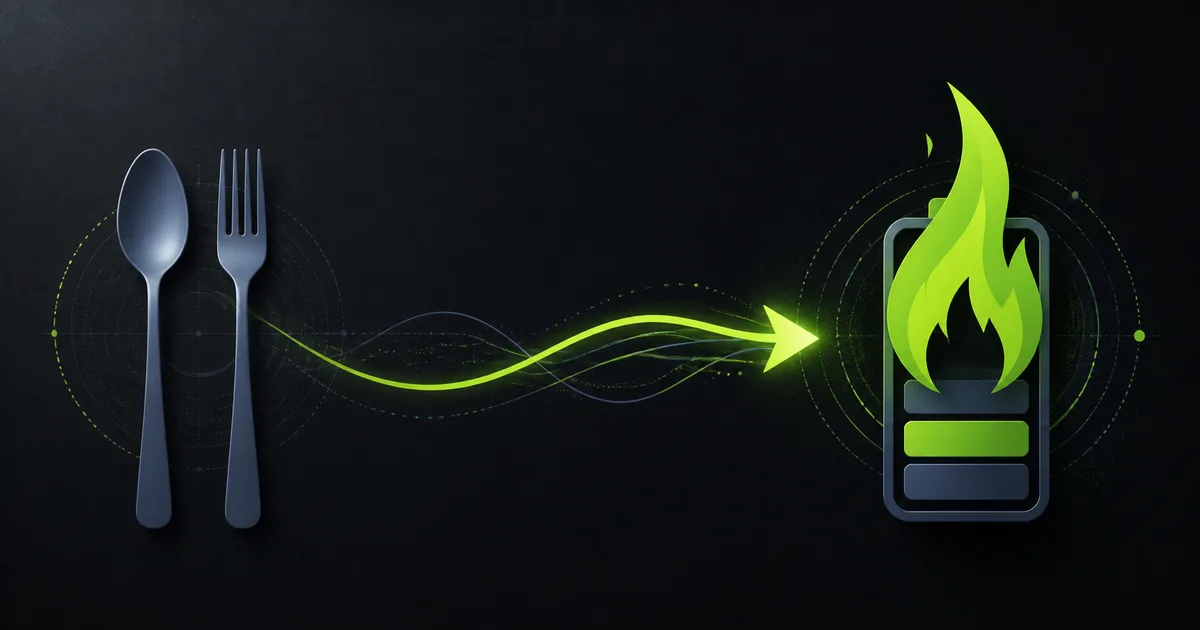
Calories in versus calories out, often shortened to CICO, is the basic principle behind body weight change. Take in more energy than you burn and you store the surplus. Burn more than you take in and your body pulls from its reserves. It is physics, not magic.
The two sides of the equation
Calories in is the energy from everything you eat and drink. Calories out is the total energy your body burns each day, which is your TDEE. Most people overestimate the exercise side and forget that resting metabolism is the biggest piece of calories out.
- Calories in: food and drinks you consume
- Calories out: resting metabolism plus all activity plus digestion
- Surplus: energy in is greater, weight goes up
- Deficit: energy out is greater, weight goes down
Why it can feel complicated
CICO is true, but both sides are hard to measure precisely. Food labels have margins of error, and calories out shifts with movement, muscle mass and even how much you fidget. The body also adjusts a little as you lose or gain, which is why progress is not perfectly linear.
- Food labels can be off by a noticeable margin
- Daily burn changes with activity and body composition
- Your body adapts slightly as weight changes
- Water and food weight mask fat change on the scale
Why food quality still matters
Energy balance decides your weight, but it does not decide your health, hunger or performance. Protein, fiber and whole foods keep you full and support muscle, which makes staying in the right balance far easier. CICO is the engine, food quality is the steering.