Waist to Height Ratio Explained: Why 0.5 Is the Number to Watch
Waist to height ratio is one of the simplest health checks you can do at home. Here is how it works, the 0.5 threshold, and why it often beats BMI.
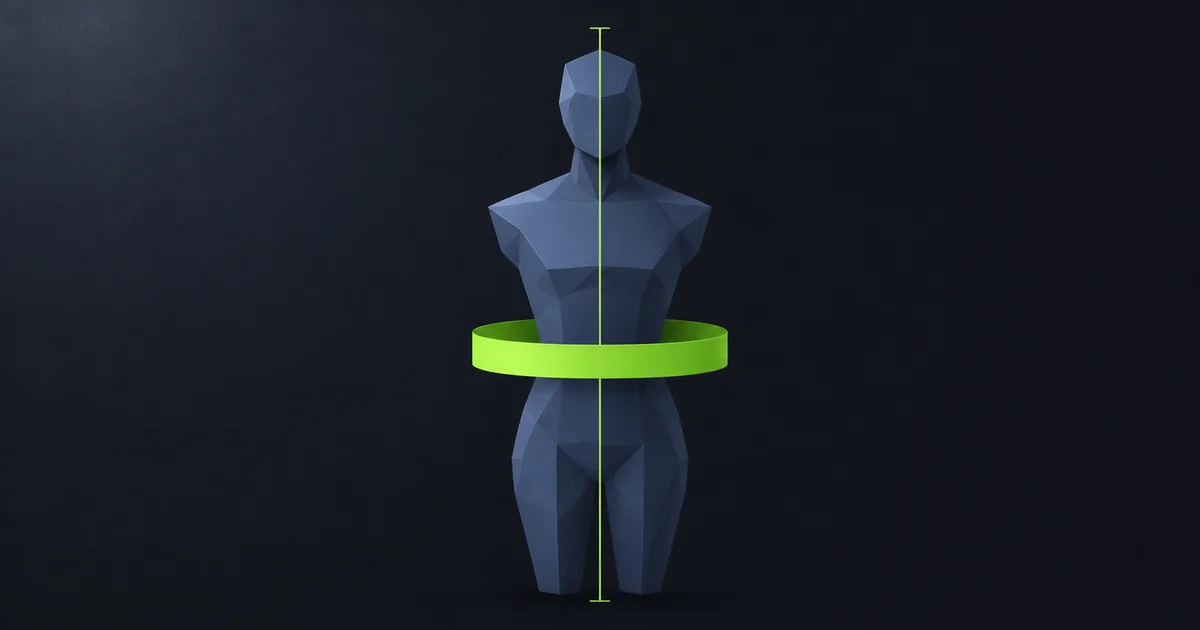
Most people know their weight and maybe their BMI, but far fewer know their waist to height ratio, even though it is one of the most useful numbers you can track at home. It captures something BMI cannot: where your body stores fat. Fat around the middle behaves differently from fat elsewhere, and this simple ratio puts a number on it with nothing more than a tape measure.
How to measure it
The math is deliberately simple. Measure your waist and divide it by your height, using the same unit for both. Measure your waist at the midpoint between the bottom of your ribs and the top of your hip bones, roughly level with your navel, at the end of a normal breath out without pulling the tape tight. If your waist is 80 centimeters and your height is 170 centimeters, your ratio is 80 divided by 170, which is about 0.47.
- Use the same unit for waist and height, centimeters or inches.
- Measure directly against skin or over light clothing.
- Keep the tape snug but not compressing the skin.
- Breathe out normally before reading the number.
Why it can beat BMI
BMI compares your weight to your height, but it cannot tell muscle from fat and it says nothing about where fat sits. Two people with the same BMI can carry very different amounts of belly fat. Because central fat around the organs is more strongly linked to heart and metabolic risk, a waist based measure often flags problems that BMI misses, especially in people who look a normal weight but carry excess fat around the middle.
- It reflects central fat, a key driver of metabolic risk.
- It uses one threshold across adults, so it is easy to remember.
- It can catch raised risk in people with a normal BMI.
- It needs no scale, only a tape measure.
What it does not do
No single number tells the whole story. Waist to height ratio does not measure fitness, muscle, or blood markers, and the standard threshold may need adjusting for some ethnic groups and for pregnancy. Use it as one quick signal alongside how you move, your energy, and checks from a health professional rather than as a stand alone verdict.