How Many Calories to Build Muscle
Muscle needs a small calorie surplus on top of maintenance. Here is how big to make it and how to grow with minimal fat gain.
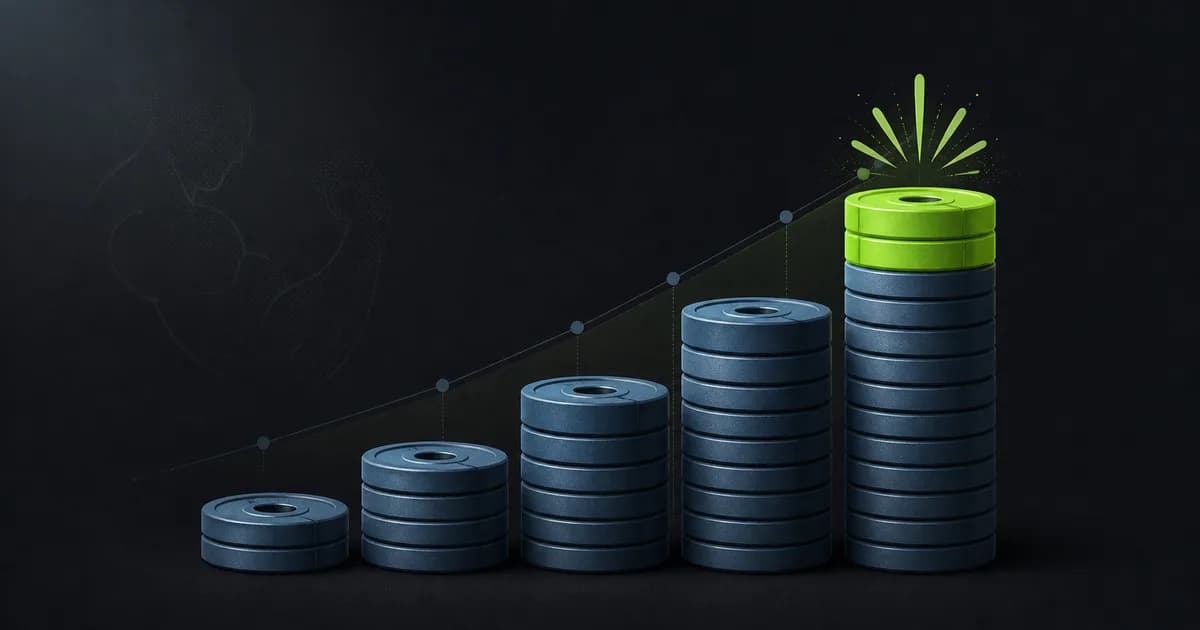
To build muscle you need to eat a little more than you burn, but a small surplus does the job. The old advice to eat everything in sight just adds fat you later have to diet off. A lean bulk keeps most of the gains as muscle.
Start from maintenance
Muscle building calories are built on top of your maintenance level, so you need that number first. Maintenance is your total daily energy expenditure, the amount that holds your weight steady. Once you know it, a modest surplus on top signals your body to grow.
- Find your maintenance calories first
- Add a surplus on top of that number
- Confirm maintenance with two weeks of tracking
- Recheck it as your body weight rises
How big the surplus should be
A surplus of about 250 to 500 calories per day is enough for most people. That supports a gain of roughly a quarter to half a kilogram per week, which is close to the ceiling of how fast you can add real muscle. Beginners and younger lifters can lean toward the higher end, while experienced lifters do better staying lower.
Keeping the gain lean
Calories only build muscle when paired with the right training and enough protein. Follow a progressive resistance program, hit around 1.6 to 2.2 grams of protein per kilogram, and track your weekly weight. If you are gaining faster than half a kilogram a week, trim the surplus so more of it stays muscle.
- Train with progressive overload two to four times a week
- Hit 1.6 to 2.2 g of protein per kg body weight
- Track weekly weight and adjust the surplus
- Prioritize sleep and recovery for growth