How to Reverse Diet Safely After a Cut
After a cut, jumping back to old habits often backfires. A reverse diet raises calories in small steps so you keep results and feel human again.
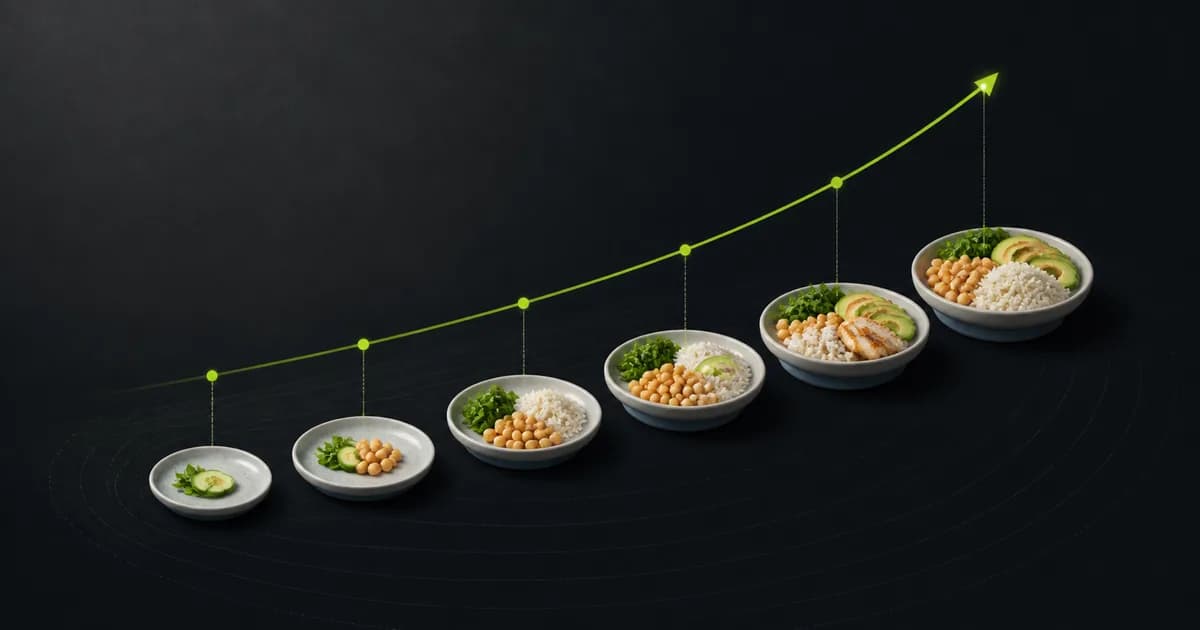
A reverse diet is the process of adding calories back gradually after a fat-loss phase. Instead of jumping straight from a deficit to your old eating, you raise intake in small steps. The idea is to rebuild your energy, support training, and reach a higher maintenance while keeping fat regain slow and controlled.
Why reverse instead of just eating more
At the end of a cut you are eating fewer calories than your body needs to maintain a higher weight. Snapping straight back to a large surplus usually means fast fat regain and a sharp jump on the scale. A slow build lets you find your new maintenance and enjoy more food without undoing the work you just did.
- You keep most of the fat loss you worked for.
- You feel more energetic for training and daily life.
- You avoid the guilt cycle of a hard rebound.
- You learn what your real maintenance intake is.
How to add calories back
Start from your final cutting calories and add a small amount each week, usually in the range of 50 to 150 calories, mostly from carbohydrate with a little fat. Keep protein where it was to protect muscle. Watch your weekly weight average and hold or slow down if the scale climbs faster than you want.
Expect some scale movement
As you add carbs your body stores more glycogen and holds more water, and there is more food in your gut. That can nudge the scale up by a kilogram or two without meaning fat gain. Judge progress by the weekly trend and how you look and feel, not by a single morning weigh-in.
- Weigh at the same time each day and use a weekly average.
- Some upward drift early on is water and food volume, not fat.
- Keep training hard so extra calories support muscle.
- Slow the increase if weekly gain is faster than planned.